
Table of Contents
- Understanding the Causes of Brown Patches
- Best Time to Water Lawn and Irrigation Management
- Soil Compaction, Aeration, and Lawn Aeration Benefits
- Identifying and Treating Lawn Fungus
- Mowing, Thatch Management, and Grass Selection
- Soil Health, Nutrients, and pH Balance
- Seasonal Prevention Plan and Recovery Timeline
- Conclusion
Last Updated: August 20, 2026
Understanding the Causes of Brown Patches
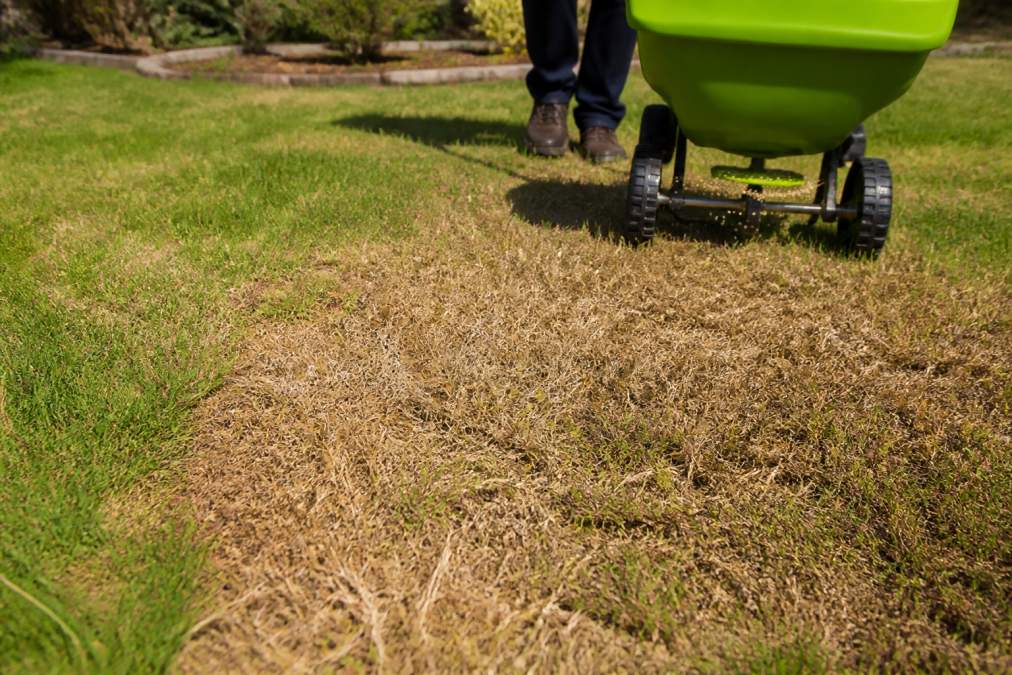
Brown patches emerge from specific environmental conditions: fungal disease, environmental stress, and soil problems. Fungal growth thrives in warm, humid conditions with poor air circulation. Drought stress appears when grass blades lose moisture faster than roots can replenish it. Soil compaction restricts root development, leaving grass vulnerable to both stress and disease.
Most brown patches result from a combination of factors rather than a single cause. A lawn might have adequate water but poor drainage due to soil compaction, or perfect soil but be watered at the wrong time, creating ideal conditions for fungal growth. Understanding this matters because the fix depends on the cause, overwatering won’t help a compacted lawn, it’ll make fungal problems worse.
Best Time to Water Lawn and Irrigation Management
Water your lawn at the wrong time and you’re essentially feeding fungal disease. Early morning watering, between 4 and 8 am, is the gold standard. Water applied before dawn gives grass time to dry as temperatures rise and air circulation improves throughout the day, minimizing the window when fungal pathogens can establish themselves.
Evening watering is the mistake most homeowners make. Water applied in late afternoon or evening sits on grass blades throughout the cool night, accelerating fungal growth. If you must water in the evening, do it early enough that grass dries before sunset.
Rather than light, frequent watering, aim for deep watering less often. Deep watering encourages deep root growth, increasing drought stress resistance. Most lawns need 25-30 millimetres of water per week during growing season, delivered in one or two deep sessions rather than daily sprinkles.
Overwatering is a silent killer. Saturated soil creates anaerobic conditions that stress grass roots and promote fungal colonisation. The goal is moist soil, not waterlogged soil. If water pools on your lawn after watering, you have a drainage problem that needs addressing through aeration or soil amendment.
Adjust your watering schedule seasonally. During cooler months, reduce frequency significantly. During summer heat, you may need to increase depth slightly, but resist the urge to water more often. Consistency matters more than volume.
Soil Compaction, Aeration, and Lawn Aeration Benefits
Compacted soil is the foundation of most lawn problems. When soil becomes dense, roots can’t penetrate deeply, water drains poorly, and grass becomes shallow-rooted and stress-prone. Soil compaction develops through foot traffic, heavy equipment, and repeated mowing over the same paths, especially in high-traffic areas near gates and pathways.
How aeration improves soil drainage and root growth
Aeration is the mechanical process of creating small holes in the soil to relieve compaction. When you aerate, you break up the compacted layer that restricts root penetration, improve soil drainage by creating pathways for water movement, and improve air circulation in the root zone.
Deep root growth is the outcome you’re after. Once roots penetrate deeper into the soil, they access moisture reserves that shallow roots can’t reach, making your lawn far more drought-resistant. A lawn with 150-200 millimetres of root depth can survive dry periods that would devastate a shallow-rooted lawn. Aeration also improves the effectiveness of other interventions like soil amendments and fertiliser application.
When to aerate your lawn for best results
Aerate during the active growing season when grass can recover quickly, spring (September-October) or early autumn (March-April) in most Australian climates. Spring aeration is ideal because grass recovers before summer heat stress. Avoid aerating during summer heat or winter dormancy.
Frequency depends on soil type and traffic. Heavy clay soils benefit from annual aeration. Sandy soils with good drainage may only need aeration every 2-3 years. High-traffic areas need annual aeration; low-traffic areas can go longer.
Identifying and Treating Lawn Fungus
Fungal diseases account for a significant portion of brown patch problems, especially in warm, humid conditions. Identifying which fungus you’re dealing with prevents misdiagnosis and wasted treatment effort.
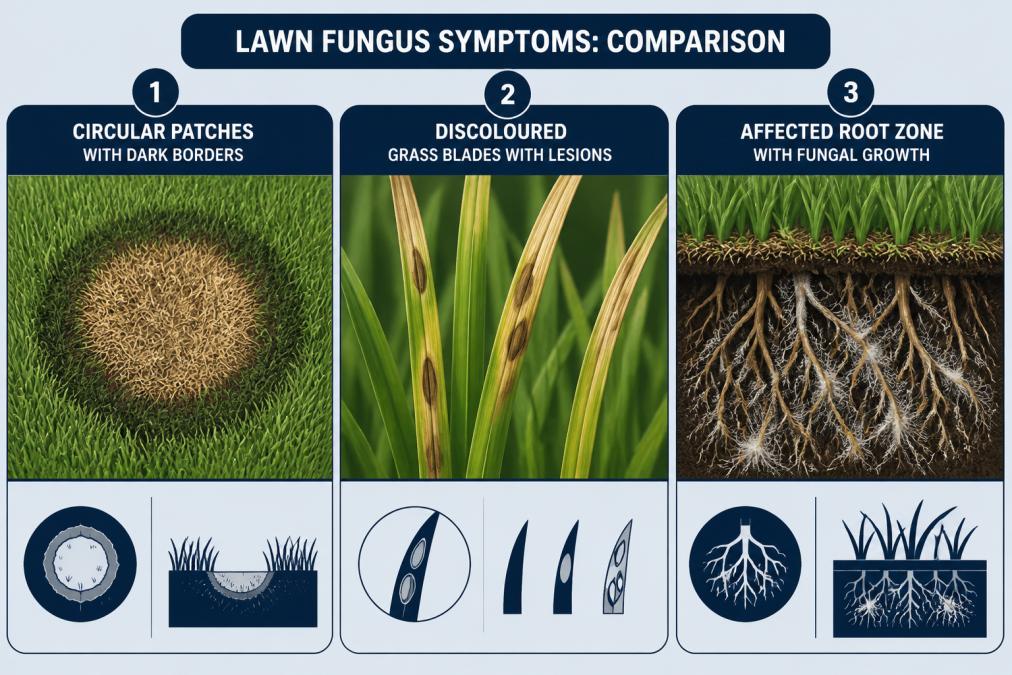
Visual diagnostic guide to fungal diseases
Dollar spot appears as small, circular patches 25-50 millimetres in diameter with tan or straw-coloured centres and darker borders. Affected grass blades develop characteristic hourglass-shaped lesions. Dollar spot favours warm days and cool, moist nights.
Brown patch (caused by Rhizoctonia species) creates larger, circular patches 300-900 millimetres or larger with a dark, water-soaked appearance initially, then tan or light brown. A dark ring often marks the active disease margin. Brown patch accelerates in high humidity and temperatures above 27°C.
Pythium blight develops rapidly in extremely humid conditions, creating irregularly shaped patches that appear dark and water-soaked. Affected grass collapses and becomes slimy, expanding noticeably within days.
Leaf spot diseases cause small, dark lesions on individual grass blades rather than distinct patch areas. Affected blades yellow and die back gradually.
Correct identification prevents wasted money and ineffective treatment, as fungicide selection depends on the pathogen.
Organic versus chemical intervention options
Organic approaches focus on improving conditions that favour grass over fungal pathogens: improving soil drainage through aeration, adjusting watering timing to reduce leaf wetness, and increasing air circulation through selective pruning. Organic fungicides containing sulfur or copper compounds work best as preventative measures during conditions that favour disease development.
Chemical fungicides offer faster, more reliable control of active fungal disease. Fungicides containing azoxystrobin, propiconazole, or other systemic compounds penetrate grass tissue and provide longer-lasting protection. Chemical treatment works best when applied at early disease stages.
Most lawns benefit from a combined approach: start with cultural practices, improve drainage, adjust watering, increase air circulation. If fungal disease still develops, apply fungicide during active disease pressure.
Fungicide resistance develops when the same product is used repeatedly. Rotate fungicide types to prevent resistance. If a fungicide worked last year but doesn’t this year, switch to a different active ingredient.
Mowing, Thatch Management, and Grass Selection
How you mow and what you mow directly influence brown patch development.
Correct mowing height and clipping removal
Never remove more than one-third of the blade length in a single mowing. If your grass is 75 millimetres tall, cut to 50 millimetres. This maintains adequate leaf area for photosynthesis and keeps the plant vigorous.
Optimal mowing height varies by grass species, generally 40-60 millimetres for cool-season grasses and 20-40 millimetres for warm-season varieties. Taller grass creates a denser canopy that shades the soil, reducing fungal spore germination and conserving soil moisture.
Leave clippings on the lawn. Mulched clippings return nitrogen and organic matter to the soil, improving soil structure and nutrient availability. They don’t contribute to thatch buildup; thatch results from dead roots and stems, not grass clippings. The exception: if disease is present, collect clippings to avoid spreading fungal spores.
Choosing the right grass species for your conditions
Grass species selection determines your lawn’s baseline resilience to fungal disease, drought, and other stresses. Cool-season grasses like perennial ryegrass and tall fescue thrive in temperate regions with cool winters and moderate summers. Warm-season grasses like couch and buffalo handle heat and drought better but struggle in cold winters.
Your choice depends on your local climate and property conditions. Shaded areas need shade-tolerant species. Heavy-traffic areas need tough, wear-resistant species. Poorly drained areas need species that tolerate moisture. Consulting with a turf specialist before replanting prevents years of struggling with unsuitable grass.
Soil Health, Nutrients, and pH Balance
Healthy soil grows healthy grass. Grass struggling with nutrient deficiency or pH imbalance becomes susceptible to fungal disease and stress.
Soil pH affects nutrient availability. Most grasses prefer slightly acidic soil with a pH between 6.0 and 7.0. Outside this range, essential nutrients like iron, manganese, and phosphorus become unavailable to roots. A simple soil test reveals your pH and allows targeted correction.
Nutrient deficiency appears as yellowing or pale grass. Nitrogen deficiency causes overall yellowing. Iron deficiency causes interveinal chlorosis. Phosphorus deficiency causes purple or reddish discolouration.
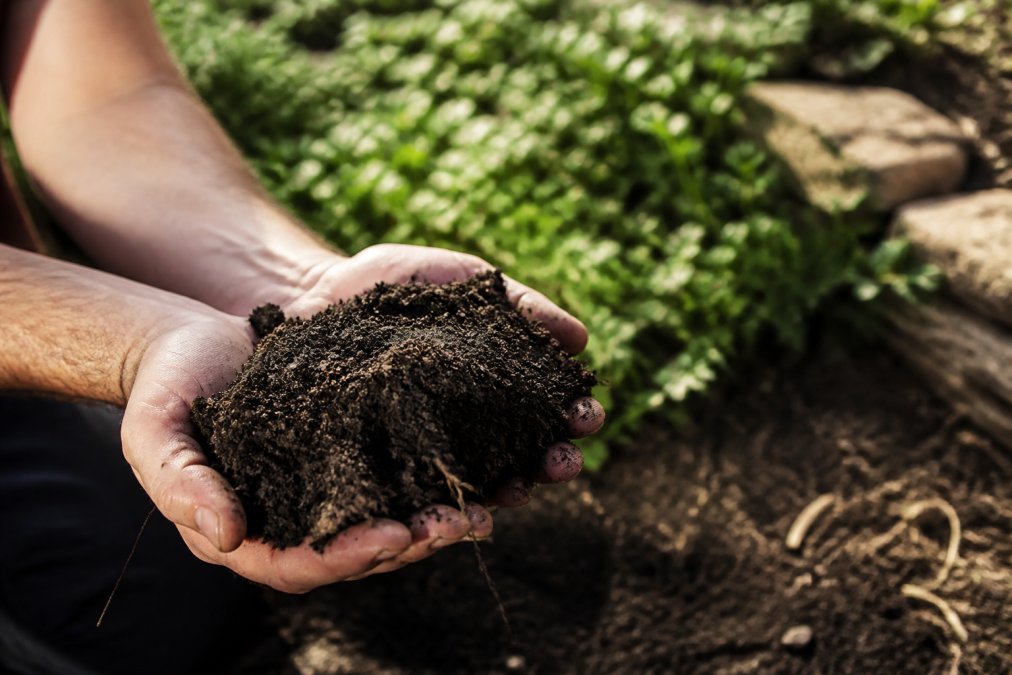
Organic matter is the foundation of soil health. Soil with adequate organic matter holds moisture better, drains better, supports beneficial microorganisms, and provides a slow-release nutrient source. Top dressing with quality compost or composted organic matter improves soil structure over time. Apply 5-10 millimetres annually, working it into the turf.
Soil health is the foundation of lawn health. A lawn with healthy soil, adequate organic matter, and balanced pH resists fungal disease, drought, and other stresses far better than a lawn with depleted soil.
Seasonal Prevention Plan and Recovery Timeline
Preventing brown patches requires a year-round approach.
Spring (September-October) is the time to aerate, overseed bare spots, and apply pre-emergent fungicides if your lawn has a history of fungal disease. Adjust your watering schedule upward as temperatures rise, maintaining early morning timing.
Summer (November-January) brings heat stress and increased fungal pressure. Maintain consistent, deep, infrequent watering in early morning. Mow at the higher end of your species’ recommended range. Monitor for fungal disease symptoms, especially during humid periods. Reduce fertiliser application; summer feeding can increase disease susceptibility.
Autumn (February-April) is the second opportunity for aeration and overseeding. Apply fungicides if needed before conditions cool. Gradually reduce watering frequency as temperatures drop.
Winter (May-August) is dormancy for many grass species. Reduce watering significantly. Avoid aeration and heavy traffic on dormant lawns. Use this period for soil testing and planning spring interventions.
Recovery from established brown patches takes 4-8 weeks with proper treatment and cultural management. Severely damaged areas may need overseeding once the disease is controlled. Fungicides slow disease progression and allow grass to recover, but patience and consistent management matter more than dramatic interventions.
Preventing brown patches requires understanding what causes them, then addressing those causes systematically. Most brown patch problems result from preventable conditions: poor watering timing, soil compaction, inadequate drainage, or fungal pressure from excessive moisture.
WaterPro’s has spent over three decades helping Melbourne property owners maintain healthy lawns through proper irrigation design and management. Whether your issue is an outdated irrigation system creating waterlogged conditions, or you need professional guidance on seasonal lawn care, our qualified technicians can assess your property’s unique needs and provide tailored solutions. Book Now to discuss your lawn health with our team.
Frequently Asked Questions
Why is my lawn going brown in patches?
Brown patches result from multiple causes: fungal disease (the most common culprit in humid conditions), soil compaction restricting root growth, thatch buildup blocking water and nutrients, drought stress from inadequate or poorly timed watering, nutrient deficiency, or insect damage. Identifying which cause affects your lawn determines the right treatment. Fungal growth thrives in warm, moist conditions, while drought stress appears during dry spells despite regular watering. Compacted soil prevents deep root growth and moisture retention.
What is the best time to water lawn to prevent fungal disease?
Water early morning, between 4 and 8 am, before temperatures rise. This allows grass blades to dry quickly as the sun strengthens, reducing conditions that favour pathogen growth. Avoid evening watering, which leaves grass wet overnight and creates ideal conditions for fungal development. Water deeply but less frequently to encourage deep root growth and drought resilience. Consistent irrigation schedule prevents drought stress, which weakens turf health and makes grass susceptible to disease.
How long does it take for grass to recover after brown patch fungus?
Recovery timeline depends on severity and treatment timing. Mild cases treated early with fungicide may show improvement within 2-3 weeks. Moderate infections typically require 4-6 weeks of consistent preventative care: proper watering, aeration to improve soil drainage, and nutrient application. Severe cases affecting large areas may take 8-12 weeks or longer. Overseeding with appropriate grass species accelerates recovery. During dormancy periods, recovery slows significantly. Starting prevention early prevents the need for extended recovery periods.
Can lawn aeration benefits really prevent brown patches?
Yes. Aeration relieves soil compaction, creating channels for water penetration and deep root growth. Improved soil drainage reduces waterlogging that encourages fungal growth. Better root zone development increases grass resilience to drought stress and pathogen attack. Aeration also helps top dressing and soil amendments reach the root zone effectively. Combined with proper mowing height and thatch management, regular aeration significantly reduces brown patch incidence. Most lawns benefit from annual aeration, ideally during spring or autumn growth periods.
This article was written using GrandRanker