
Table of Contents
- Why Water Pump Maintenance Matters
- Daily, Weekly, and Monthly Water Pump Maintenance Checklist
- How Often to Service Irrigation Pumps
- Visual Inspection and Leak Detection
- Lubrication and Seal Care for Optimal Performance
- Signs of Water Pump Failure: When to Act
- Vibration Analysis and Noise Troubleshooting
- Smart Pump Integration and Energy Efficiency Optimisation
Last Updated: August 25, 2026
Why Water Pump Maintenance Matters
A failing water pump can cost thousands in emergency repairs and water damage. Regular maintenance prevents catastrophic failures, extends equipment life by years, and keeps your irrigation system running efficiently. A submersible pump receiving proper care delivers reliable service for 10-15 years; neglected pumps often fail in half that time (peer-reviewed research).
Water pump maintenance doesn’t require advanced technical skills or expensive equipment, just consistency and attention to detail. This guide walks you through the exact steps to keep your pump performing at its peak.
Daily, Weekly, and Monthly Water Pump Maintenance Checklist
Daily Checks
Start each day with a five-minute visual assessment. Check the pump housing for visible leaks, cracks, or corrosion. Water pooling around the base indicates a seal failure or housing breach. Listen for abnormal noise: grinding, squealing, or rattling suggests internal wear or cavitation. Normal operation should be relatively quiet with a steady hum.
Check your pressure gauge if your system has one, pressure should remain consistent with design specifications. A sudden drop indicates a leak downstream; a steady rise without increased water demand suggests a blockage or internal problem. Inspect electrical connections for corrosion on terminals, loose wires, or water intrusion. Tighten loose connections and dry wet areas immediately.
Monitor water discharge. Does your pump deliver the expected flow rate? A noticeable reduction points to impeller wear, intake blockage, or internal damage.
Weekly Tasks
Lubrication check: Examine bearing access points and mechanical seal areas. Some pump designs require weekly lubrication top-ups. Bearings that run dry generate heat, accelerate wear, and eventually seize.
Intake filter and screen inspection: Check the intake filter for debris accumulation, which reduces flow and forces the pump to work harder. A clogged intake filter is one of the most common causes of reduced performance and premature failure.
Thermal overload check: If your pump shuts down unexpectedly, let it cool for 30 minutes before restarting. Repeated thermal trips indicate the pump is working too hard, usually from blockage, low water level, or internal resistance.
Drainage assessment: Ensure your pump’s cooling system drainage ports aren’t blocked. Poor cooling accelerates seal and bearing failure.
Monthly Inspection
Vibration and noise analysis: Run the pump under normal conditions and listen carefully. Excessive vibration indicates misalignment, bearing wear, or impeller imbalance. Grinding sounds suggest internal contact between moving parts. Cavitation, rapid popping or crackling noise, means the pump is drawing air, which damages the impeller rapidly.
Seal and gasket condition: Inspect all visible seals and gaskets for weeping or active leaks. A small amount of weeping around the mechanical seal during startup is normal, but continuous leaking means the seal is failing.
Wear ring inspection: Check the wear ring for excessive clearance. Wear rings are inexpensive to replace and should be changed if clearance exceeds manufacturer specifications.
Electrical system check: Measure voltage at the motor terminals; it should match the nameplate rating. Low voltage indicates supply problems or corroded connections. If readings are off, contact a qualified technician.
How Often to Service Irrigation Pumps
Most submersible and surface pumps require professional servicing annually (the NIH). This is the difference between a pump lasting 15 years and one failing in 5.
Annual service should include: Complete disassembly and inspection of the pump head, including the impeller, wear ring, and internal passages. Mechanical seals are replaced as a matter of course. Bearings are inspected and replaced if wear is evident. The pump housing is checked for cracks or corrosion. Electrical components are tested under load, motor windings checked for insulation breakdown, and thermal overload protection verified. The pump is reassembled, tested at full operating pressure, and run for at least 30 minutes to confirm stable operation.
Why annual service matters: Water pump maintenance performed annually catches wear before failure. A seal that’s 80% worn looks fine during a quick visual check but fails within weeks. Between annual services, your daily and weekly checks catch acute problems requiring immediate attention.
Visual Inspection and Leak Detection
Leaks are the most visible sign of pump trouble, but not all leaks are created equal.
Start with the pump housing. A dry pump with no visible cracks or corrosion is healthy. Look for rust staining, salt deposits, or white mineral deposits, which indicate past or ongoing leakage. Hairline cracks in the casting are serious and will expand under pressure.
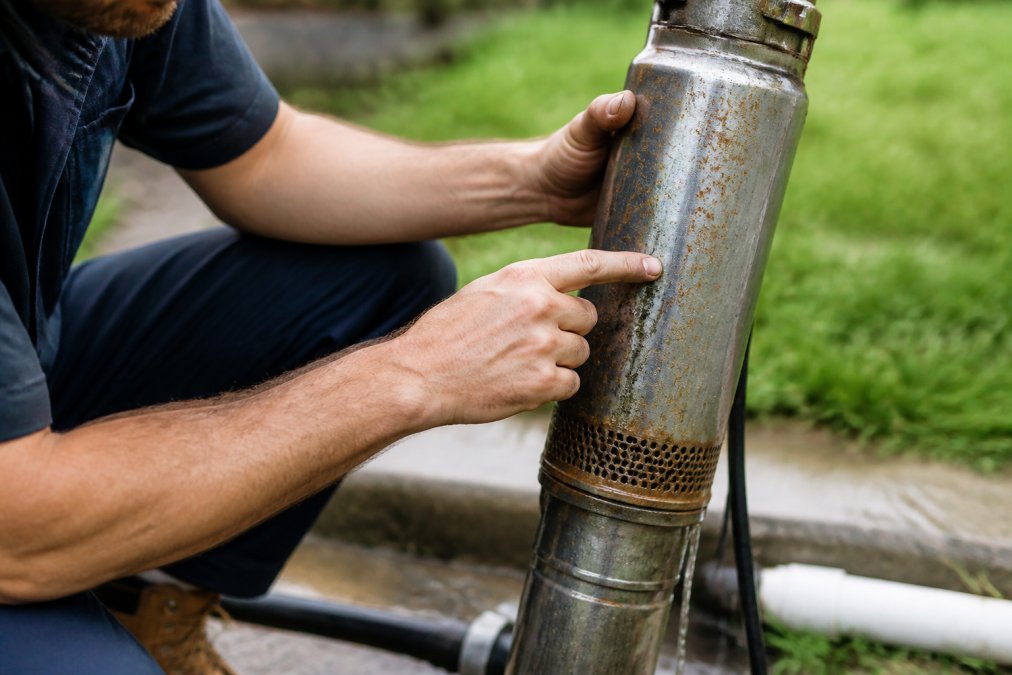
Identify where water is coming from. A small weep around the mechanical seal during startup is normal; if water continues dripping after the pump stabilizes, the seal is failing. Water leaking from the pump body itself indicates a housing crack or failed internal gasket, requiring immediate professional attention.
Check connection points. Leaks at pipe fittings are often simple to fix; tighten the connection or replace the fitting. Leaks at the pump’s discharge or suction ports indicate failed gaskets or port corrosion, requiring disassembly and resealing.
Look for cavitation damage. If your pump has run with an air leak on the suction side, the impeller surface will show pitting. This damage is permanent and reduces pump efficiency. The impeller must be replaced.
Lubrication and Seal Care for Optimal Performance
Lubricating Moving Parts
Oil-lubricated bearings need regular top-ups. Check the oil level at the bearing housing using the sight glass or dipstick. Add the correct grade of oil if the level is low. Change bearing oil annually or every 500 operating hours, whichever comes first (iso.org). Old oil loses viscosity, collects wear particles, and becomes acidic, accelerating bearing damage.
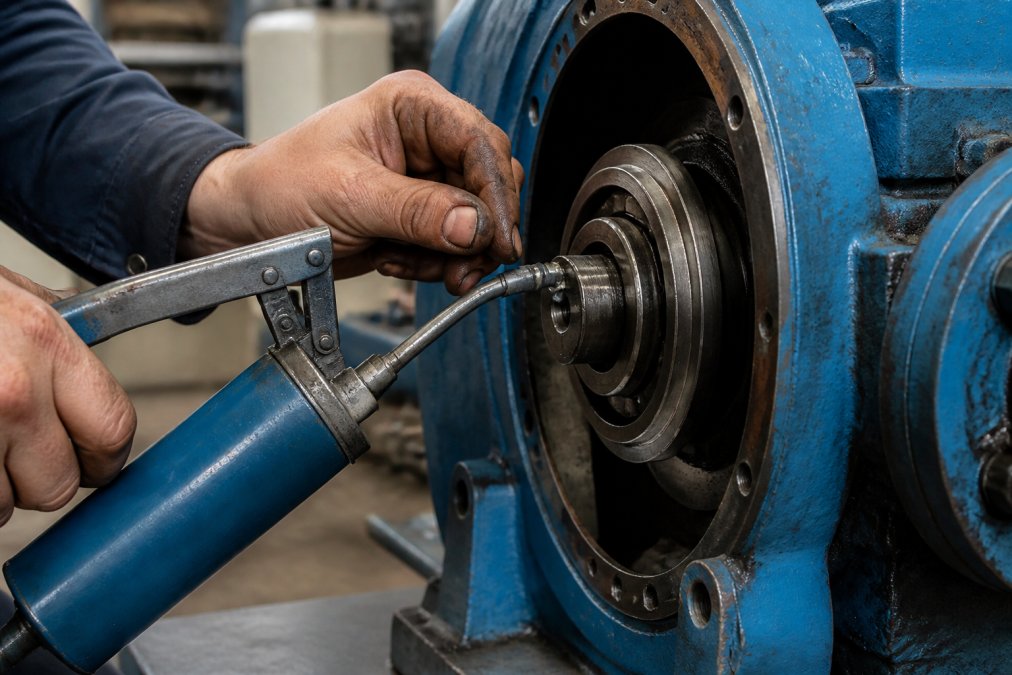
Grease-lubricated bearings need periodic regreasing. Some bearings have a grease fitting for adding fresh grease using a grease gun. Apply a small amount of the correct grade of grease every 100 operating hours. Too much grease creates excessive drag; too little leaves bearings dry.
Water-lubricated seals rely on the pumped water itself for lubrication. This works well in clean water but fails if sediment or debris clogs the lubrication path. Keep intake filters clean to maintain proper seal lubrication.
Mechanical Seal and Gasket Replacement
The mechanical seal is the most critical wear component in your pump, preventing water from leaking out and air from leaking in.
Signs of seal failure: Continuous weeping from the seal area, loss of prime, or visible water around the pump shaft all indicate seal failure. Seal replacement is not optional; a failing seal will soon become a failed seal.
Replacement process: This typically requires pump disassembly. The old seal is removed, the seal cavity is cleaned thoroughly, and a new seal assembly is installed. Proper installation is critical; a misaligned seal fails immediately.
Gasket and wear ring replacement: Gaskets should be replaced during any disassembly, reusing old gaskets often leads to leaks. Always use the correct gasket material. If wear ring clearance exceeds 0.5 mm, the wear ring should be replaced.
Signs of Water Pump Failure: When to Act
Immediate shutdown required: A housing crack, major leak from the pump body, or grinding internal noise means stop the pump immediately. Running it further causes irreversible damage.
Urgent attention needed within 24 hours: Continuous seal leaking, loss of prime, or thermal overload trips indicate problems that will worsen rapidly. Schedule service as soon as possible.
Plan service within the week: Reduced flow rate, minor vibration, or bearing noise suggests wear in progress. Service within 7 days prevents emergency failure.
Monitor and investigate: Unusual sounds that come and go, occasional pressure fluctuations, or minor performance variations warrant investigation. Check for simple causes, intake blockage, air in the system, or supply pressure issues, before calling for service.
Vibration Analysis and Noise Troubleshooting
Normal pump operation produces a steady hum and minimal vibration. Any change from this baseline warrants investigation.
Cavitation produces distinctive rapid popping or crackling sound, like gravel flowing through the pump. This occurs when inlet pressure drops below atmospheric, allowing water to vaporize. Cavitation causes rapid impeller damage and must be stopped immediately. Common causes include intake filter blockage, low water level, suction line too long or undersized, or air leak on the suction side. Clear the intake filter first.
Bearing wear produces grinding or rumbling sound and noticeable vibration. Bearing replacement is needed soon; continuing to run accelerates failure.
Impeller imbalance causes rhythmic vibration that increases with pump speed, requiring impeller replacement.
Misalignment between pump and motor produces vibration that increases under load, typically requiring professional realignment or coupling replacement.
Smart Pump Integration and Energy Efficiency Optimisation
Modern water pump maintenance extends into intelligent monitoring and efficiency optimization. Smart pump systems track performance in real time, alerting you to problems before they become failures.
IoT monitoring systems measure flow rate, pressure, temperature, and power consumption continuously. These sensors feed data to a cloud platform or local controller, which flags anomalies automatically. A sudden pressure drop, unexpected power surge, or temperature rise triggers an alert before the pump fails.
Energy efficiency benefits: Smart systems show exactly how much energy your pump consumes. Many irrigation systems waste energy through inefficient operation. Smart controllers optimize timing and pressure settings automatically, reducing energy consumption in many cases.
Integration with existing systems: Modern smart pump controllers connect to your irrigation timer, allowing coordinated operation. The system can reduce pressure during low-demand periods, run only when water demand is present, and adjust flow rate based on soil moisture sensors.
Maintenance scheduling: Smart systems track operating hours and maintenance history, reminding you when annual service is due and when seals should be replaced based on runtime.
Data-driven decisions: Historical performance data shows which components wear fastest in your specific application, allowing preventive replacement before failure.
The investment in smart monitoring typically pays for itself through reduced emergency repairs, extended equipment life, and lower energy bills.
Water pump maintenance is an investment that pays dividends. A disciplined approach to daily checks, weekly inspections, and annual professional service keeps your system reliable, efficient, and cost-effective. The alternative, reactive repairs after failure, costs far more in both money and inconvenience.
WaterPro’s has helped Melbourne property owners develop maintenance routines tailored to their specific systems for over three decades. Whether you need professional servicing, guidance on maintenance procedures, or help diagnosing a problem, our qualified technicians understand irrigation systems inside and out. Book Now to schedule your annual service or discuss a smart monitoring solution that fits your property’s needs.
Frequently Asked Questions
What maintenance does a water pump need?
Water pump maintenance includes visual inspection for leaks and corrosion, lubrication of moving parts and bearings, checking mechanical seals and gaskets, cleaning intake filters, monitoring vibration and noise, and testing pressure relief valves. A preventive maintenance schedule prevents cavitation, bearing wear, and premature failure. Most submersible pumps benefit from quarterly inspections and annual professional servicing to maintain flow rate and operational efficiency.
How often should you service a water pump?
Service frequency depends on pump type and usage. Submersible pumps in continuous operation typically need professional servicing annually. Irrigation pumps used seasonally should be serviced before each season and after extended shutdown. Daily visual checks for leaks and unusual noise take minutes. Weekly filter cleaning and monthly pressure monitoring extend service life significantly. Environmental factors like corrosive water or high sediment loads may require more frequent servicing.
What are the signs that a water pump is failing?
Watch for reduced flow rate, unusual vibration or grinding noise, visible leaks from the pump housing or shaft seal, rust or corrosion on external surfaces, thermal overload shutdowns, and loss of suction lift. Cavitation (popping or rattling sounds) indicates air entering the system. Discharge pressure dropping below normal operating levels, discoloured coolant, or bearing wear symptoms signal imminent failure. Early detection of these signs prevents costly emergency repairs and water system downtime.
Can I perform water pump maintenance myself, or do I need a professional?
Basic maintenance like visual inspection, filter cleaning, and listening for abnormal noise is safe for homeowners. However, tasks involving mechanical seal replacement, impeller inspection, shaft alignment checks, and thermal overload diagnostics require professional expertise and specialised tools. Submersible pump work often involves electrical connections that demand qualified technician knowledge. When in doubt, professional service protects your warranty and ensures correct diagnosis of complex issues like cavitation or bearing wear.
How do I know if my pump has cavitation?
Cavitation occurs when air enters the suction line, causing a distinctive popping or rattling noise from the pump. You may also notice reduced flow rate and vibration. Common causes include loose suction line connections, clogged intake filters, or suction lift exceeding the pump's rating. Check all intake filter screens for blockages and tighten any loose fittings. If the problem persists after these checks, the wear ring or impeller may be damaged, requiring professional inspection and possible replacement.
What's the difference between preventive maintenance and reactive repairs?
Preventive maintenance involves scheduled inspections, lubrication, filter cleaning, and seal checks to catch problems early and extend service life. Reactive repairs happen after failure occurs, often at higher cost and with system downtime. A maintenance checklist identifying early signs of bearing wear, gasket degradation, or corrosion prevents emergency breakdowns. Most pump failures result from neglected preventive care. Investing in regular servicing reduces long-term costs and keeps your irrigation or water system running reliably.
How does smart pump monitoring improve maintenance?
IoT-enabled pumps provide real-time data on flow rate, pressure, temperature, and vibration patterns. Smart integration alerts you to performance changes before failure occurs, enabling condition-based maintenance rather than fixed schedules. Monitoring systems track operational efficiency and energy consumption, helping identify when cavitation or bearing wear is developing. This data-driven approach reduces unnecessary servicing while preventing unexpected downtime and extending pump service life significantly compared to manual inspection alone.
This article was written using GrandRanker